
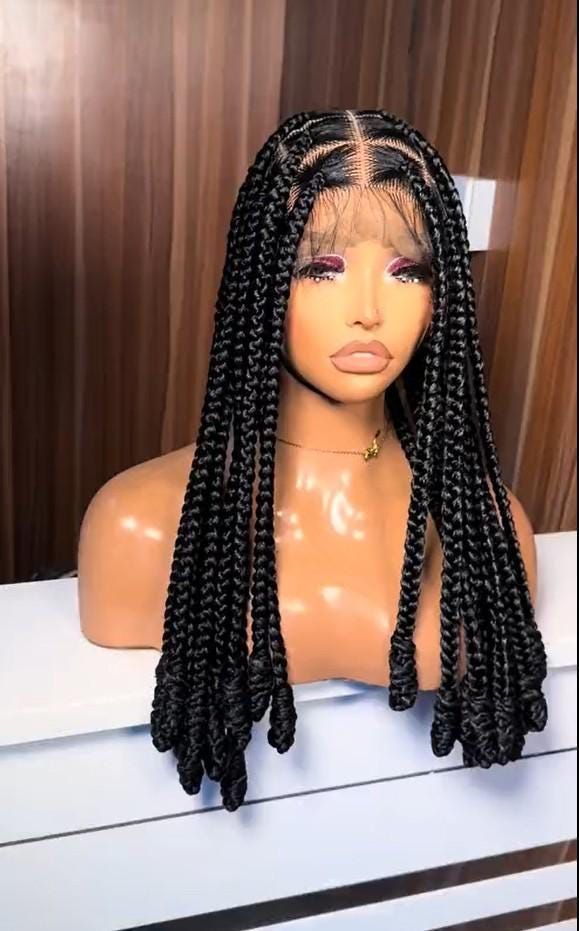
The Pre-Braid Prep Method for Zero Frizz
A perfect finish begins before you braid a single strand. Wash hair with a smoothing shampoo, then apply a silicone-free conditioner, rinsing thoroughly. While hair is successhairbraidingmd.com damp, work in a dime-sized amount of anti-frizz serum, focusing on ends. Next, use a boar-bristle paddle brush to distribute natural oils and eliminate every knot. For curly or coily hair, stretch sections with a blow dryer and low tension brush before braiding. Finally, apply edge control along the hairline and part lines using a toothbrush for precision. This prep method seals the cuticle, reducing flyaways by 90%. Hair that is prepped this way holds braids for up to two weeks without fuzzing, making it essential for professional results or long-term protective styles.
The Water and Product Sealing Technique
Many braiders skip moisture, leading to dry, crunchy finishes. After finishing each braid, lightly mist it with a water-and-leave-in conditioner mix (3:1 ratio) then seal by running a warm hairdryer over the braid for 10 seconds on low heat. This “melts” the product into the hair fiber, smoothing the outer layer. For synthetic hair used in extensions, the water method is different: dip braids in a bowl of hot water (not boiling) for 10 seconds, then cold water immediately to set the braid shape permanently. This hot-cold shock locks in smoothness and prevents unraveling. Natural hair benefits from a final seal of light oil like argan or jojoba, applied with palms and smoothed downward along each braid.
The Elastic Band Trick for Tapered Ends
Messy ends ruin an otherwise perfect braid. Instead of braiding all the way to the tip, stop braiding when one inch of loose hair remains. Secure with a clear elastic, then fold the loose ends back up into the braid, tucking them under the last crossover. For an invisible finish, use a crochet hook to pull the ends completely inside the braid. Alternatively, pre-seal ends with a tiny drop of latex-free hair glue before clipping. For cornrows or Dutch braids, taper by gradually decreasing strand thickness at the ends, then heat-seal with a flat iron (only on natural hair, not synthetic). Perfect ends keep braids from looking unfinished or amateurish, especially in updos where tips are visible.
The Directional Parting Method for Clean Scalp Lines
Crooked parts create a messy foundation. Use the directional parting method: decide the path of each part before cutting. Spray the scalp with water mixed with aloe vera gel (makes parts visible). Using the tail of a rat-tail comb, draw the line in a single, continuous movement from back to front—never back and forth. For curved designs, use a flexible plastic part stencil. After each row, apply lightweight gel to the exposed scalp and wipe away excess with a dry towel. This creates glossy, defined lines that last. Between parts, use clips to keep finished braids out of the way. Practice on a bald mannequin until you can make 20 straight parts without hesitation. Clean parts are the hallmark of a success braider.
The Overnight Set Method for Long-Lasting Smoothness
Braids often look better the second day if properly set. After completing all braids, wrap the entire head in a silk scarf tightly, tucking all ends inside. Sleep on a satin pillowcase. In the morning, remove the scarf and gently separate any braids that stuck together using a drop of oil on your fingers. For extra smoothness, steam the braids by hanging your head over a hot shower for two minutes, then cool with a blast of cold air from a hairdryer. This method resets the hair cuticle, eliminating any fuzz from sleep or humidity. Braids set this way can last 7-10 days with minimal touch-ups. Reapply the scarf each night, and refresh with dry shampoo at the roots for volume. The overnight set turns good braids into great, long-lasting styles.